
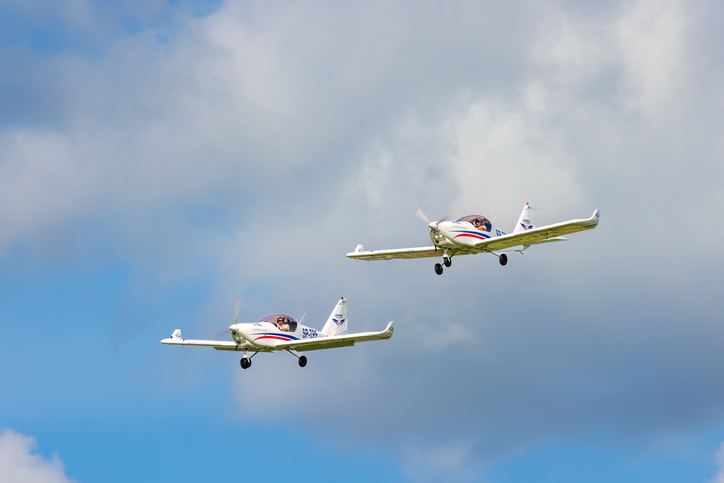
Researchers at the University of Alaska Fairbanks have completed a 1,000-kilometer drone test flight to see if human blood stays stable in transit.
The new means of delivery could dramatically reshape healthcare services in the most remote reaches of the state, many of which can become inaccessible during extreme weather. The Alaska Center for Unmanned Aircraft Systems Integration’s nearly nine-hour flight near Nenana tested whether unmanned aircraft can rapidly transport blood samples without them degrading.
Cathy Cahill, director of the center, said using the technology in the future can make delivering medicine and other essential healthcare safer and more efficient.
“A community can get fogged in, they might need blood because of a crash victim or some other emergency. How do we get that blood into that community safely and not put manned aircraft and pilots at risk?” Cahill asked.
Teams of EMS workers collected small blood samples from volunteers the day before the test flight, which were tested by an international agency for stability.
Cahill acknowledged commercial use of the technology is still a few years off but scientists will continue to make test flights with the drones and work with the FAA to ensure drones can interact safely with commercial air traffic.
Alaska has become a leader in drone research, mostly because of its vast geography, challenging landscapes and harsh weather. In addition to making medicine and other services safer and easier to deliver, Cahill noted drones can also create economic benefits in a state where, right now, it is more expensive to transport remote people to healthcare services than the actual healthcare.
“If we can get the healthcare into the communities so they don’t have to fly out, that is a huge savings of time, effort, money, and it lets people be treated in their home community,” Cahill emphasized.
Alaska has come a long way since 1925, when mushers used sled dogs to deliver serum to Nome during a diphtheria outbreak, which prompted the genesis of the now storied 1,100-mile Iditarod sled dog race.
Cahill added while there are no planned routes yet for medicine delivery by drone, if and when it happens, researchers may create a ceremonial run from Nenana to Nome and call it the “Flyditarod.”
This article is republished from The Public News Service under a Creative Commons license. Read the original article.