
By Mark Moran
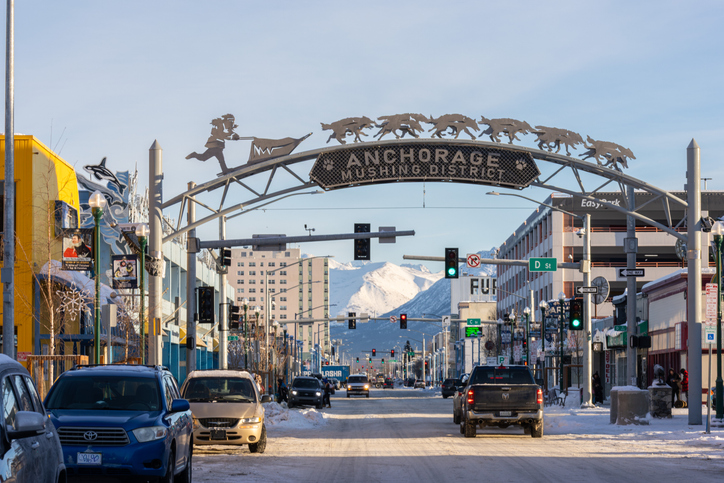
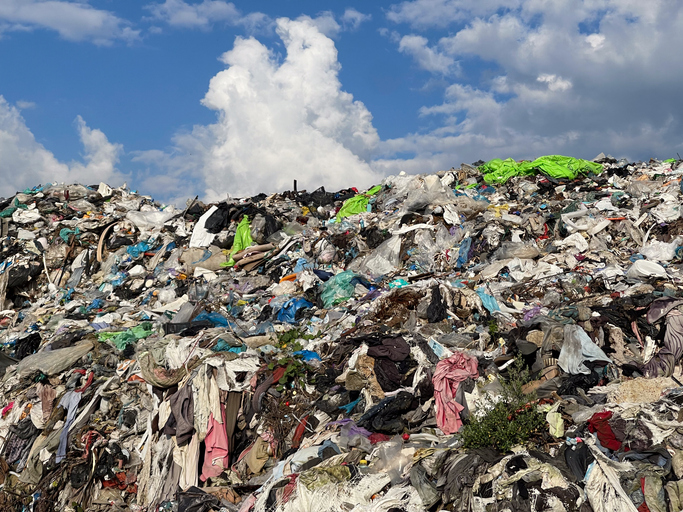
City officials in Anchorage are turning waste that would otherwise be buried in a landfill into energy.
Anchorage is building a large incinerator to burn trash and create steam that will be harnessed as electricity. Anchorage conducted a feasibility study on the waste-to-energy plant six years ago and decided that it was worth the $700 million investment, which exceeded original estimates by as much as $400 million.
Anchorage Director of Solid Waste Services Kelli Toth said the trash will be transferred to an enclosed pit where it will be incinerated, yielding what’s known as bottom ash, which will also be turned into fuel.
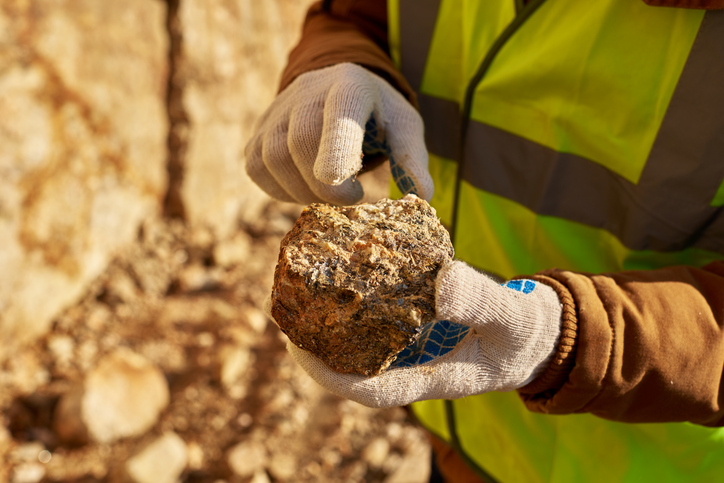
“Trash is treasure, right? So the trash, it’s basically an exotic fuel. What’s left over in the bottom ash is then mined. We can pull out all of the precious metals, the ferrous and non-ferrous metals. Those can actually all be sold,” Toth said.
While waste-to-energy incinerators are required to meet very stringent environmental standards, there is concern over nitrogen oxides, sulfur oxides and particulate matter emissions, according to the National Institutes of Health.
Toth counterd that environmental considerations are a top priority, and added that Anchorage will model its facility monitoring after other states currently using the technology.
“They have monitors right there in real time. They know exactly what’s going into the environment, and they know exactly how safe this technology is and can be. And that probably, the lion’s share of the facility is focused on the air emissions,” Toth said.
The facility is expected to generate 25 megawatts of electricity, enough to power about 20,000 homes. It could be ready as soon as 2032.
The city is holding public presentations in August, with the first at the solid waste facility on Wednesday.
This article is republished from The Public News Service under a Creative Commons license. Read the original article.